
Churchview Farm has turned five acres in Baldwin into something far bigger than a working farm. Its fields bring chefs, volunteers and neighbors together around fresh food, hands-on learning and the simple pleasure of sharing what the land produces.
Churchview Farm in Baldwin Inspires Pittsburgh’s Top Chefs
The Baldwin farm supplies Pittsburgh chefs with inspiration, volunteers with knowledge and neighbors with a place to belong.
A few months ago, chef Kristin Butterworth of Cork & Crust sent Churchview Farm owner Tara Rockacy a text. Butterworth’s turn as the guest chef at a Churchview Farm dinner wasn’t until August, but summer produce had begun appearing in kitchens again, and her imagination was racing ahead.
“Will you have figs?” she asked.
Butterworth was imagining a lush, decadent fig tiramisu, layered with fruit picked just steps from the dining table and finished with just-harvested honey from Rockacy’s beehives.
Rockacy’s answer was simple: there should be plenty.
A short time later, Rockacy followed up with a longer inventory of possibilities. Alongside the figs were Chinese celery, salad burnet and dozens of other fruits, vegetables and herbs that might reach their peak by August.
A Meeting Ground for Pittsburgh Chefs
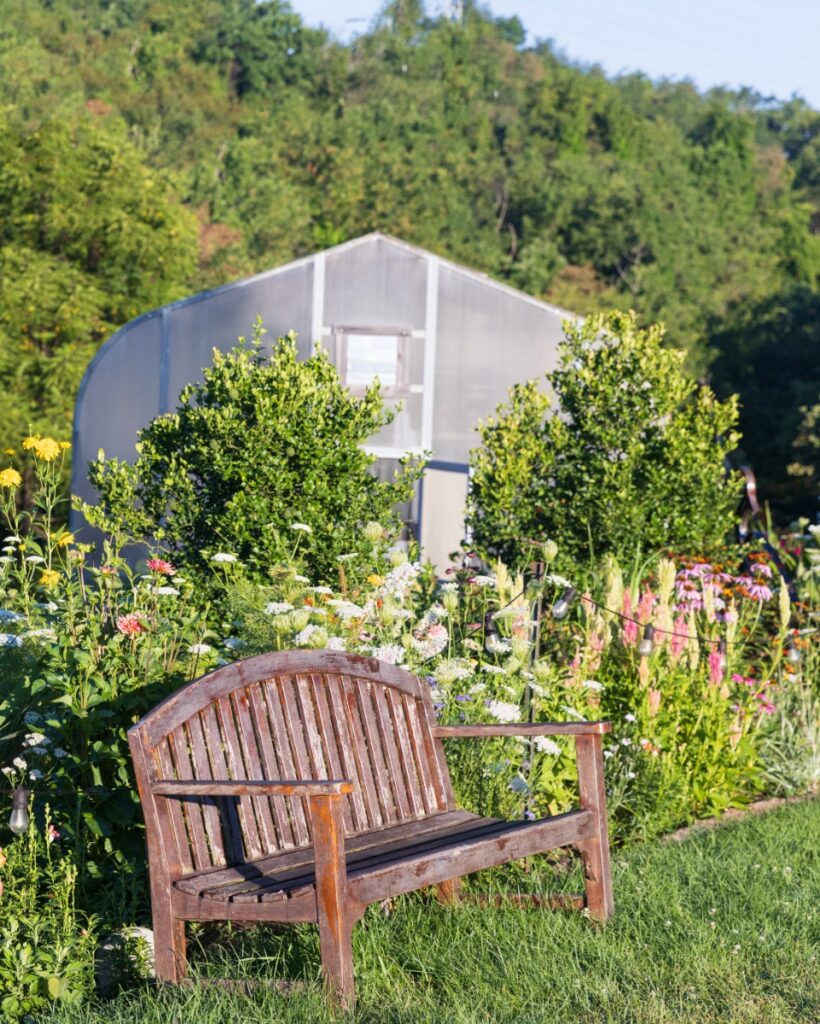
These “Iron Chef-style” exchanges, Rockacy says, capture the essence of Churchview Farm, the 5-acre Baldwin farm that for more than a decade has served as a meeting ground between Pittsburgh’s chefs and the seasonal possibilities of hyperlocal agriculture. Churchview doesn’t sell its harvest through farm stands or CSA subscriptions. Instead, the vegetables, fruits, herbs, eggs and honey produced on the farm are used to support educational programs, shared with volunteers and featured in guest-chef dinners. Rockacy says the dinners and events in turn help fund the farm’s agricultural and educational work, creating a model in which the food itself remains outside the marketplace.
Pittsburgh’s culinary stars have a special appreciation for the farm’s ethos. The chef-dinner series began in 2013 with chef Kate Romane and a small circle of Pittsburgh chefs. At the time, the dining space was little more than a pergola seating about 30 people.
Rockacy says the space has since expanded to four times that size, but many of the chefs have remained. Chris Bonfili, Brian Pekarcik and Jamilka Borges were among the first to cook there. Others have followed, drawn less by economics than by the opportunity to cook directly from the farm, Rockacy notes.
Butterworth still remembers receiving her first invitation nearly a decade ago.
“It felt like I was invited to the James Beard House,” she says. “It felt like a massive honor to be included and to be able to cook where so many other amazing Pittsburgh chefs had cooked. The creativity is beautiful to witness.”
Creative Cooking From the Farm
One year, chef Stephen Felder asked Rockacy to identify the sweetest cherry tomatoes in the field. After tasting through the rows, she sent him a selection. He turned them into ice cream.
Butterworth remembers a similar challenge when Rockacy found herself with an abundance of kiwi berries. “It’s like food Tetris, both fun and ingenious,” Butterworth says.
The farm and the kitchen shape one another. Diners sit at long tables overlooking the fields, often within sight of the vegetables that will appear on their plates that evening.
“I think it shows people, in a very literal, hands-on way, how important and beautiful it is to be close to your food,” Rockacy says.
A Family Farm With Deep Roots
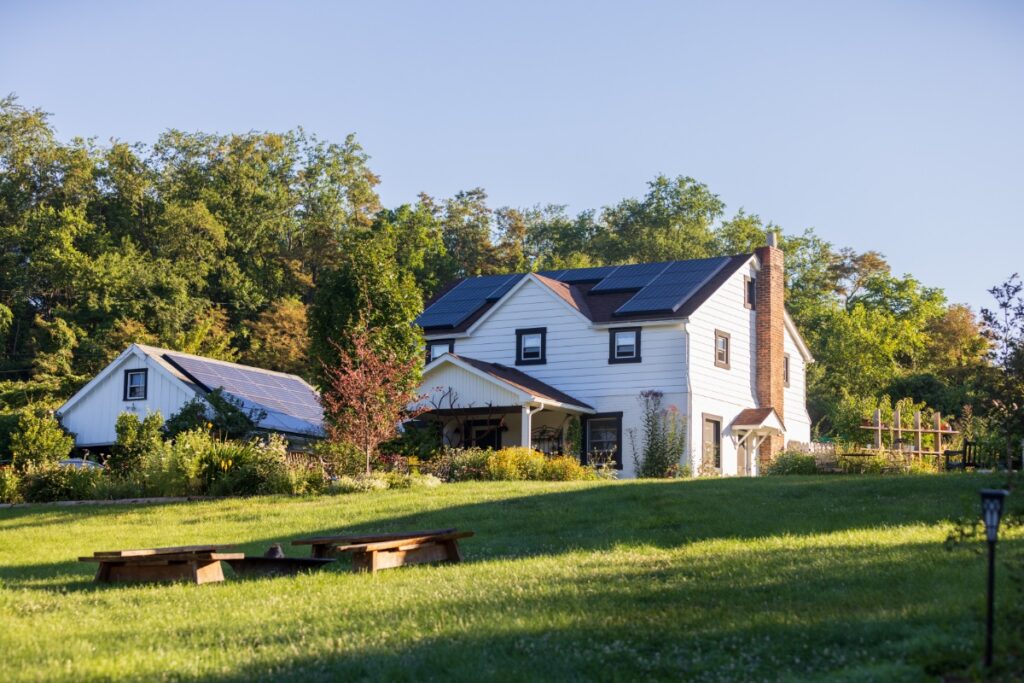
Churchview has been in Rockacy’s family since the 1930s, when her grandparents bought the property. Her grandfather Emil emigrated from Hungary; once settled in the United States, he drove a truck while maintaining a homestead that helped feed a family of 10 children. Rockacy’s father, the oldest of those children, grew up working the land.
“There were always so many people in our tiny kitchen cooking. I would wonder why my friends weren’t going into their backyards to harvest a bucket of strawberries and then make a pie with their grandmother,” she says. “Now we have friends and neighbors who come and join us in that. It’s its own kind of community.”
Transforming Churchview Farm
That community-centered philosophy extends to the farm’s food. When Rockacy bought the property from her family in 2009, she wasn’t planning to become a farmer. At the time, she was working at Carnegie Library of Pittsburgh and preparing to attend library school.
Over time, she transformed the property. She cleared seven dilapidated buildings and added the greenhouse, herb gardens, growing fields, dining pavilion and outdoor kitchen. Today, the fields produce a remarkable range of fruits, vegetables and herbs, many selected for flavor rather than shelf life. Tomatoes, particularly heirlooms, are a favorite.
“Heirlooms are so enchanting to me,” Rockacy says. “Some of them look beautiful, some look funky — and they all look unique and different.”
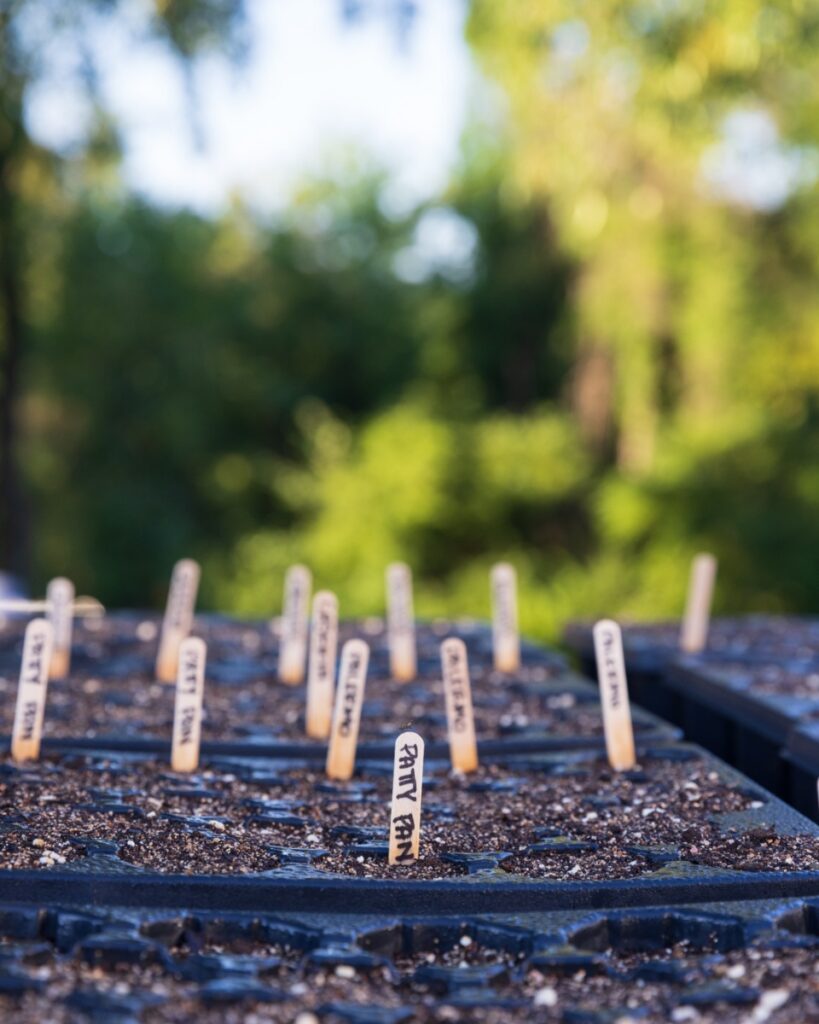
Small signs tucked among the tomato and pepper plants trace the history of each variety. “I think that is something else people lose today,” she says. “The stories behind food.”
Learning Through the Workshare Program
That spirit of learning extends into Churchview’s workshare program, which has drawn volunteers to the farm since 2009. Accountants, roofers, professors, students and restaurant workers come to learn how to start seeds, improve soil, manage pests, grow flowers and preserve food.
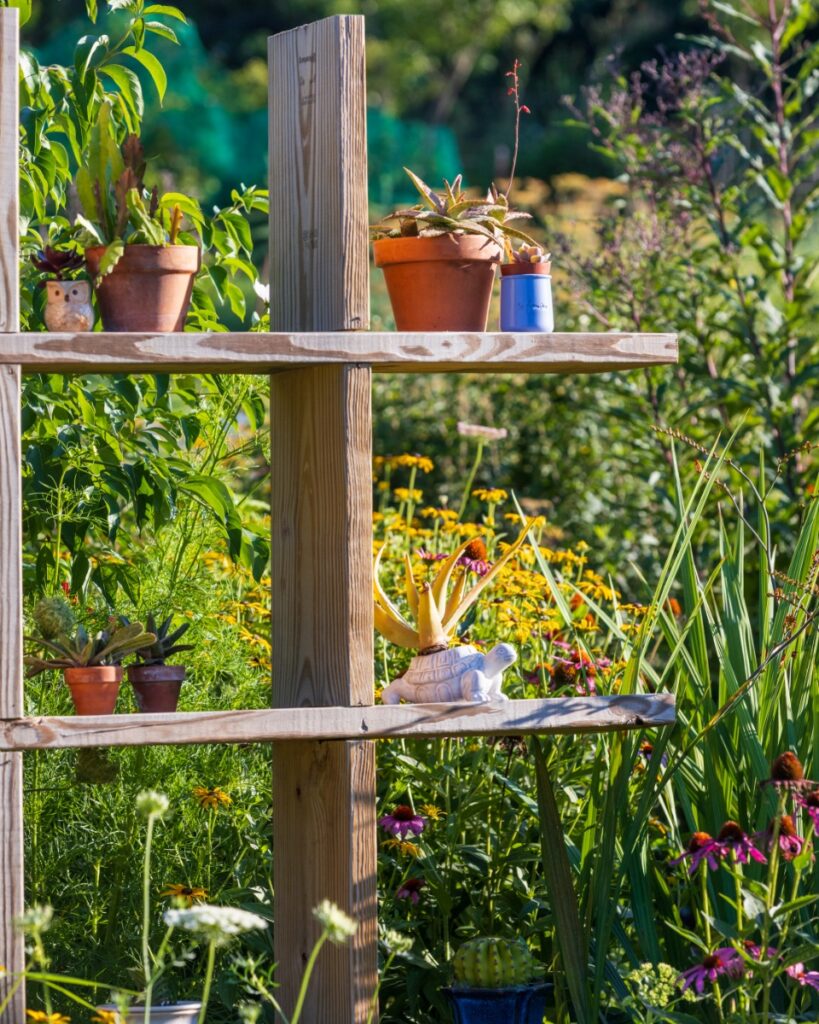
In return, they take home a share of the harvest. Depending on the season, that might include radishes, turnips, sugar snap peas, lettuce, herbs, eggs or tomatoes. Weekly recipes and preservation tips help participants make use of what they gather. Many return year after year.
A New Teaching Kitchen and Classroom
After nearly five years of planning and fundraising, the farm is preparing to add a year-round teaching kitchen, classroom and dining space for cooking classes, preserving workshops, fermentation lessons, flower-arranging sessions and other hands-on programs. The emphasis on education feels fitting for a former librarian whose seeds are still stored in an old card catalog and who maintains a lending library of gardening and cookbook titles for volunteers.
Yet some of the most meaningful things cultivated at Churchview don’t appear on a table.
“There are a lot of people who come here for their mental health,” Rockacy says. “The farm gives them a place to be useful, to put their hands in the soil, and more than anything else, to be part of a community.”
Story by Aakanksha Agarwal
About the Photographer
Dave Bryce is one of Shady Ave’s principal photographers. Known for images that explore depth and dimension through space and light, he is also a commercial and editorial food photographer who works closely with chefs and food stylists.