
The Fox Chapel Italian restaurant, Alta Via, has thrived (and expanded) by looking beyond the expected fare – while honoring great cooking traditions.
Alta Via is Your Ticket to Italian Cuisine in Fox Chapel
Italian food has deep roots in Pittsburgh, from the red-sauce institutions of Bloomfield to the neighborhood trattorias that spread through the suburbs in the second half of the 20th century. Alta Via, part of Pittsburgh’s big Burrito Restaurant Group, moves the cuisine in a brighter, contemporary direction centered on vegetables, handmade pasta and lighter flavors.
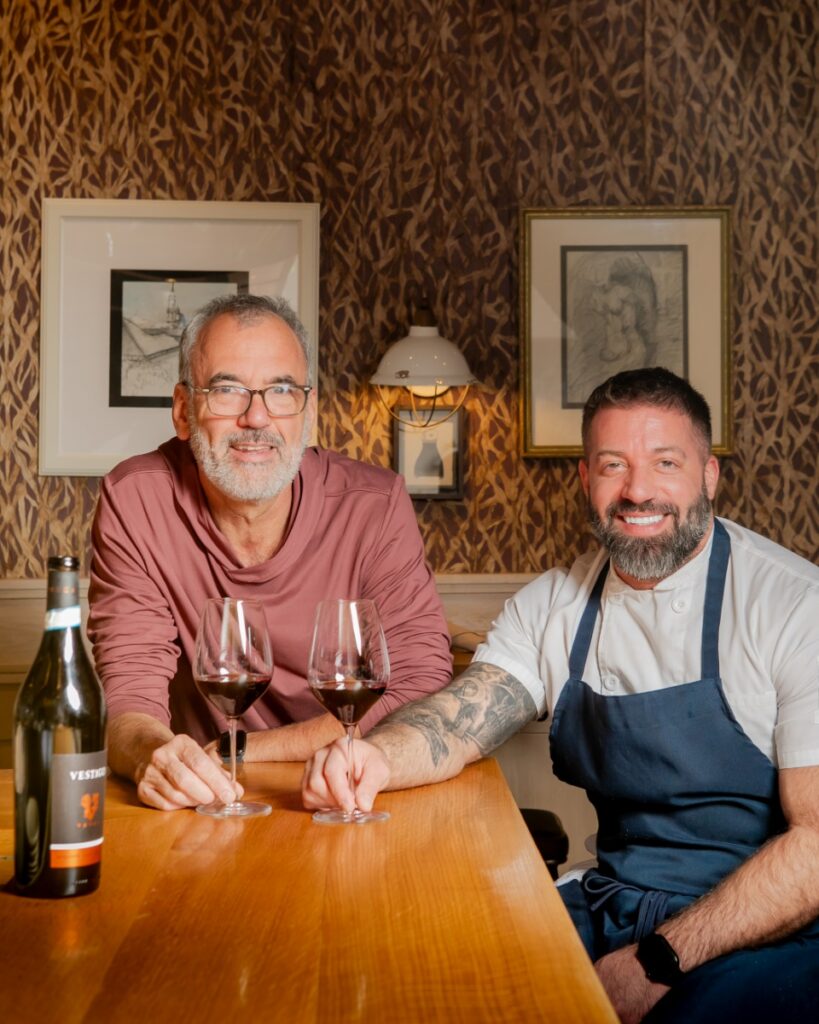
The idea took shape as chef and restaurateur Bill Fuller, the longtime corporate chef and partner at big Burrito, observed restaurant trends in cities such as New York and San Francisco. A new generation of Italian kitchens had begun shifting away from heavy red-sauce menus toward something more fresh and vegetable-driven. Restaurants including San Francisco’s Flour + Water and Delfina and Brooklyn’s Misi helped define that movement.
“We started seeing these modern Italian restaurants,” Fuller says. “They might have five pasta dishes but 15 vegetable dishes — not the old-school Italian restaurant thing where the vegetables are just potatoes and greens.”
The Vision Behind Alta Via and Its “High Road” Identity
Alta Via, which also has an outpost in Market Square and a spinoff pizzeria in Larimer, was designed to follow that model. Fuller wanted a restaurant that felt Italian without leaning on the familiar tropes that often accompany the cuisine in the United States. “No red-chequered tablecloths or raffia,” he says, referencing the strawwrapped wine bottles that symbolize Italian-American kitsch.
Instead, the Fox Chapel restaurant was designed to feel rustic, relaxed and slightly transportive. The name translates roughly to “the high road,” referring to hiking routes that cross the Alps and Pyrenees.
“We liked the idea that maybe you’ve been out hiking or doing something active,” Fuller says. “Then you clean up and go to a nice local restaurant for dinner.”
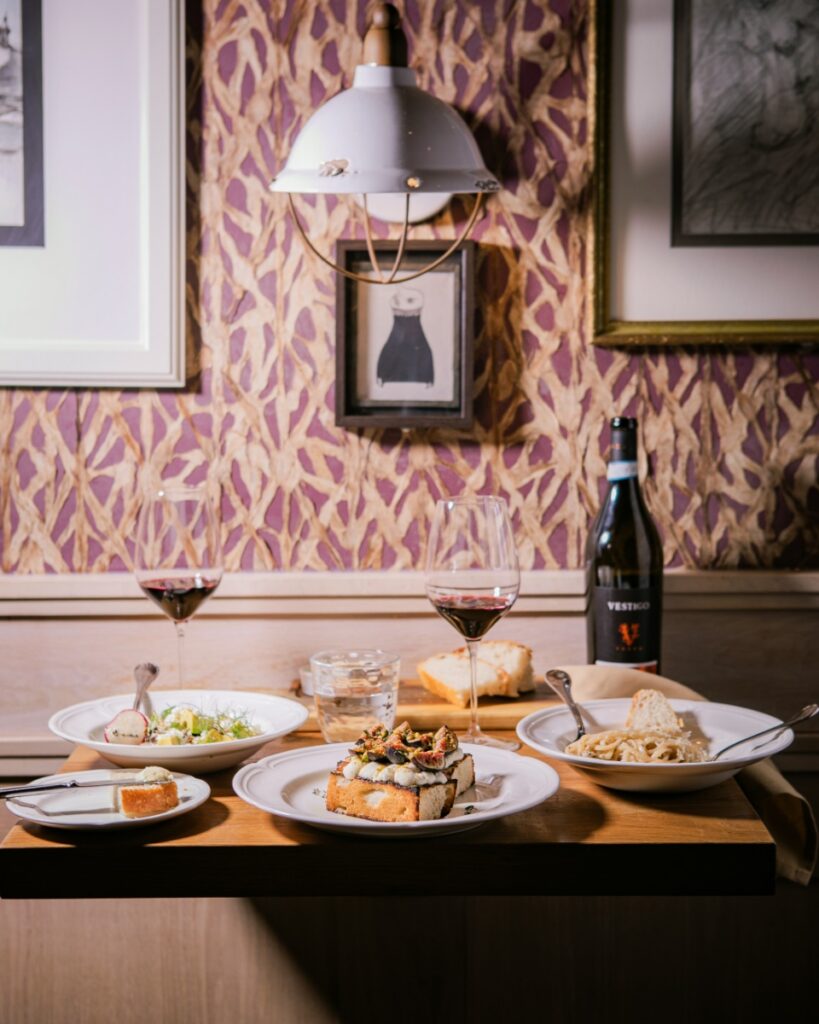
The room feels bright and easygoing. Colorful artwork pops against the walls while earthenware plates and textured glassware bring a handmade warmth to the table. The real energy gathers around the horseshoe-shaped bar, where diners settle in for spritzes, Negronis, northern Italian wines and a few small plates before moving on to pasta.
Chef-Driven Cooking With Traditional Roots in Technique
Alta Via carries the fingerprints of Fuller’s cooking life in many ways. The restaurant blends the precision of fine-dining kitchens, lessons gathered from restaurants around the world, an entrepreneurial instinct for what diners want next and the scrappy tomato-canning methods he learned growing up in the country.
Fuller’s tomato sauce, the backbone of many dishes at Alta Via, begins the same way it did decades ago. Instead of simmering them endlessly on the stovetop, he roasts them overnight in the oven.
“They cook down and caramelize a little,” Fuller says. “You get a deep, roasted tomato flavor.”
Fuller may talk enthusiastically about vegetables, but the meatballs remain one of the restaurant’s most beloved dishes, a rich blend of veal, pork and beef folded with soaked breadcrumbs and simmered in his tomato sauce. “Meatballs were always non-negotiable. It is just something we do very well, even if I say so myself.”
Inside the Kitchen
Executive chef Joe Perino now leads the kitchen. Perino, who has Italian heritage, cooked for big Burrito nearly two decades ago at Soba and Eleven before leaving Pittsburgh for Erie, where he and his family settled for several years. When he returned to the city, stepping back into Fuller’s kitchens felt natural.
For Fuller, bringing Perino back made sense not only because of his technical skill but also because he understood the culture at big Burrito.
“One of the hardest things about hiring people from outside,” Fuller says, “is that you’re not just teaching them how to cook a dish or how we do service. You’re teaching them the culture.”
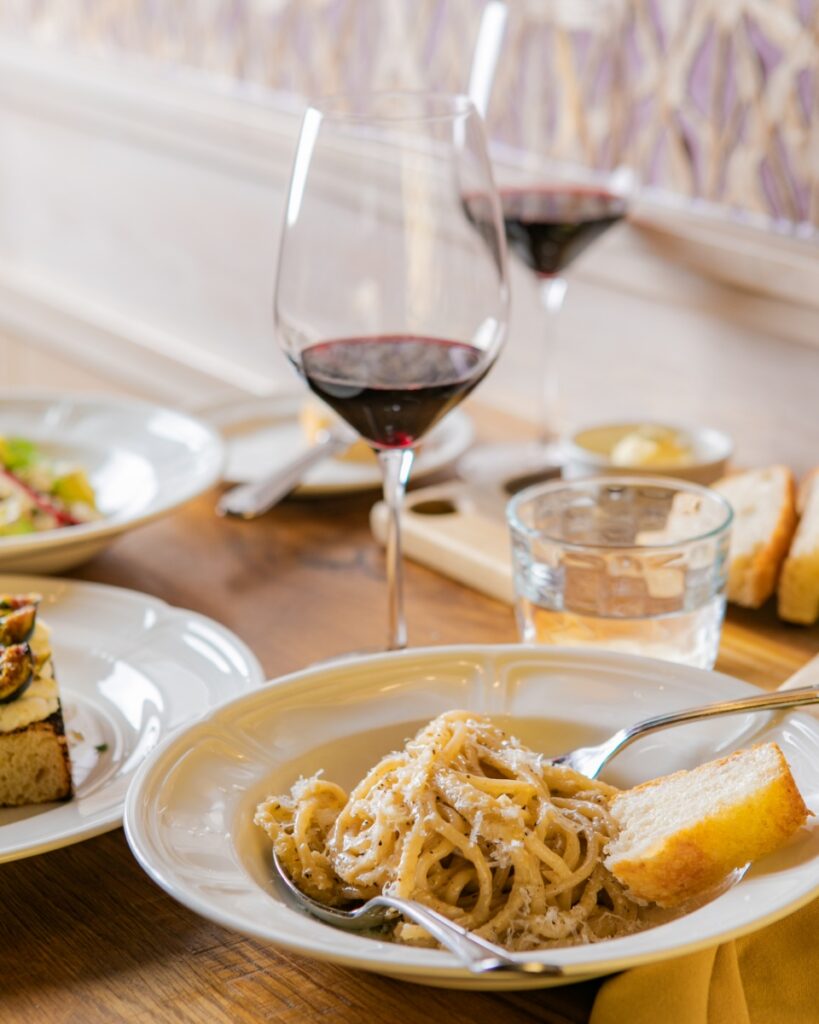
Inside Perino’s kitchen, pasta production is one of the daily rituals that anchors the restaurant. Egg pastas destined for ravioli or wide ribbons of pappardelle are rolled fresh each day, while extruded shapes rest overnight so the dough develops better structure. The flour itself comes from Italy — which Perino says dramatically changes the finished product, giving the pasta a deeper yellow color and silkier texture.
Seasonal Ingredients and a Vegetable-Forward Philosophy
Meals often begin with a warm board of house focaccia, airy and golden, served with coarse sea salt and butter that melts quickly into the bread’s soft crumb. Citrus-bright crudo, creamy burrata paired with seasonal vegetables and vegetable-forward antipasti keep the table lively while diners decide which pastas to order.
Wood-fired artichokes and eggplant arrive glossy with olive oil and herbs, while seasonal dishes shift throughout the year depending on what local farms and regional producers have available. When summer arrives in Western Pennsylvania, the kitchen embraces the brief abundance. Sweet corn, tomatoes and tender squash begin appearing across the menu, folded into pasta dishes or scattered through salads.
“People get really excited about corn and tomatoes,” Fuller says. “Almost everyone has a favorite childhood memory of corn, and we fully embrace it.”
Evolving Into a Neighborhood-Favorite Italian Restaurant
Not every dish follows the tidy arc chefs sometimes imagine, whether of seasonality or original vision. When the restaurant added Italian wedding soup to the menu last year, the kitchen expected modest demand. The first week the kitchen sold more than 200 bowls. The soup has remained one of the restaurant’s most consistent bestsellers ever since, its popularity unchanged by the seasons.
Other additions followed the same path. Diners kept asking for vodka sauce, chicken parm, eggplant parm and stuffed peppers; eventually, the kitchen gave in.
Moments like those, Fuller says, illustrate how restaurants evolve in conversation with their customers. Alta Via may have begun as a modern Italian concept inspired by kitchens in New York and San Francisco, but today it feels firmly rooted in Fox Chapel, with regulars returning week after week.
The high road, it turns out, sometimes leads straight to the neighborhood table.
Story by Aakanksha Agarwal
Photos by Laura Petrilla